
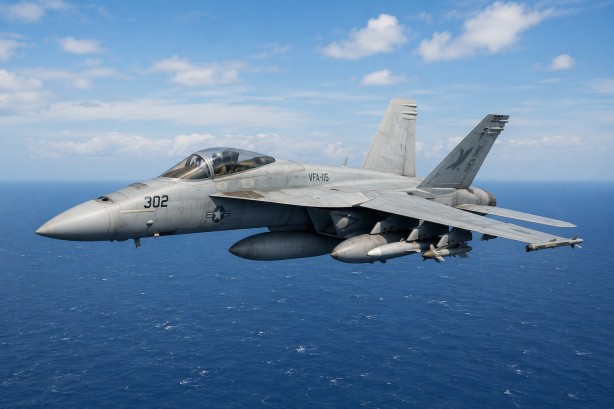
The ongoing conflict between the United States and Iran has seen a significant escalation, as both nations engage in new attacks that have heightened the risk of a broader regional conflict. Despite a temporary agreement reached last month, hostilities have resumed with the U.S. conducting strikes on targets near Tehran and other areas. The U.S. also targeted a vessel it claimed breached its naval blockade. Iranian officials reported casualties from these attacks and condemned the strikes, particularly those near civilian areas.
In a retaliatory move, Iran launched missiles and drones towards several countries in the region that host U.S. military bases, including Bahrain, Jordan, and Kuwait. This escalation has raised regional security concerns, further amplified by reports of drone activity near Iraqi oil infrastructure. The situation around the Strait of Hormuz, a vital global shipping route, has also become more tense. Iran has issued warnings against foreign interference in the waterway and suggested it may expand military operations if its strategic infrastructure continues to be targeted.
The conflict’s impact on global energy supplies is becoming increasingly evident, with disruptions to shipping through the Strait of Hormuz leading to heightened concerns and driving oil prices higher. As a result, several nations are reevaluating their maritime security measures, and shipping activity in the area has slowed due to the persistent hostilities.
Despite the military escalation, diplomatic efforts to revive negotiations are ongoing. However, there remains a significant divide between the positions of Washington and Tehran, casting doubt on the prospects for a lasting ceasefire. Both sides have signaled sharply different stances, making it unclear whether a resolution can be reached in the near future.