
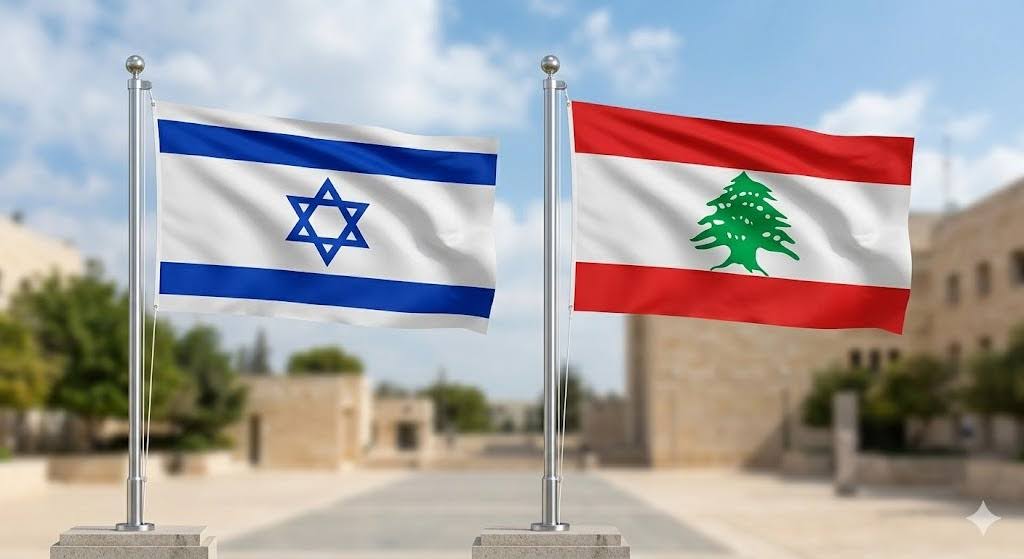
In a significant development to ease Middle East tensions, Israel and Lebanon have agreed to renew their ceasefire along the shared border. This renewed agreement is a crucial step in diplomatic efforts to mitigate hostilities. Under the terms of the ceasefire, Hezbollah fighters will cease attacks and retreat from areas south of the Litani River in southern Lebanon. The plan also involves creating pilot security zones where the Lebanese Armed Forces will maintain exclusive control, thereby restricting the presence of non-state armed groups.
Despite the announcement of the truce, reports from the region indicate that military activities persist in certain parts of southern Lebanon, underscoring the difficulties in enforcing the ceasefire on the ground. This highlights the complexity of the situation and the challenges ahead in ensuring full compliance with the agreement’s terms.
The renewed ceasefire follows a series of negotiations and is seen as a pivotal move towards reducing regional instability. There are ongoing discussions aimed at finalizing the details and overseeing the phased implementation of this agreement to ensure it contributes effectively to long-term peace efforts.
This ceasefire occurs amidst broader U.S.-led diplomatic initiatives aimed at making progress with Iran, as regional tensions remain high. Recent military incidents in the Gulf and ongoing disputes over the role of Iran-backed groups continue to pose challenges to these negotiations. The success of the Israel-Lebanon ceasefire could therefore have significant implications for future diplomatic strategies and enhance the prospects for wider stability throughout the region.
Analysts suggest that if effectively implemented, this truce could serve as a model for similar efforts across the Middle East, potentially shaping the trajectory of regional diplomacy. The focus now shifts to the practical implementation of the agreement and the hope that it paves the way for a sustained reduction in hostilities.