
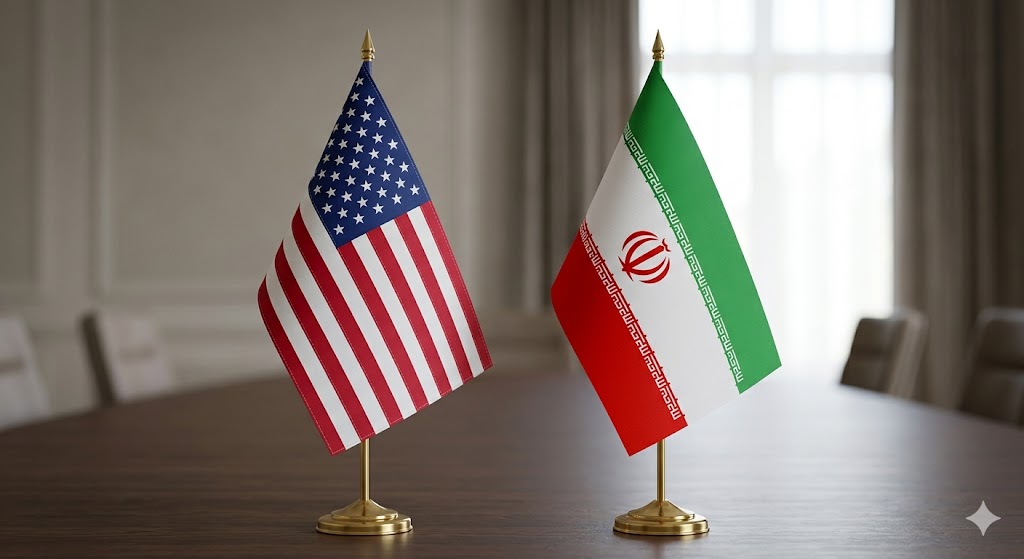
The planned peace negotiations between the United States and Iran, intended to further discussions on Iran’s nuclear program and promote regional stability, have been unexpectedly postponed. This decision comes amid an intensification of hostilities between Israel and Hezbollah, which has disrupted the diplomatic schedule. The talks were set to be held in Switzerland, building upon a recently established memorandum that outlined a framework for future dialogue between the two nations.
The abrupt cancellation of the talks was triggered by renewed violence along the Israel-Lebanon border. The escalation began when Hezbollah launched attacks on Israeli forces positioned in southern Lebanon, leading to casualties among Israeli soldiers. In response, Israel conducted extensive airstrikes targeting Hezbollah sites in southern Lebanon and the Bekaa Valley, resulting in several deaths and injuries.
This resurgence of conflict has heightened concerns about the fragility of existing ceasefire efforts and the complexities it adds to diplomatic initiatives. Both Washington and Tehran had expressed a willingness to continue with negotiations, but officials have noted that the current conditions are not conducive to advancing the talks at this time.
As tensions rise, international leaders have appealed for restraint and have urged all involved parties to honor ceasefire commitments to prevent further escalation. The postponement of the U.S.-Iran talks injects additional uncertainty into efforts aimed at de-escalating regional tensions and securing a comprehensive agreement on Iran’s nuclear activities.