
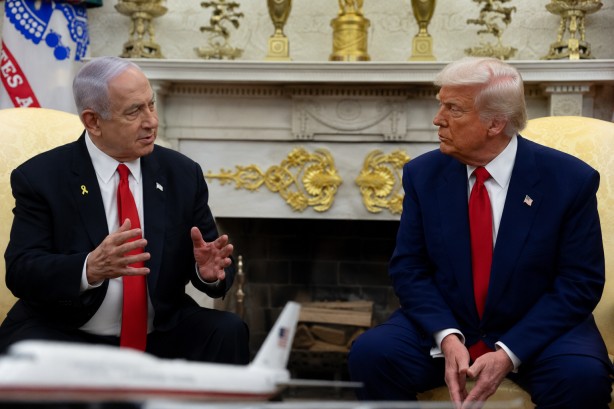
In a significant meeting at the White House, Israeli Prime Minister Benjamin Netanyahu and U.S. President Donald Trump concentrated on critical issues such as Iran’s policies, regional security, and the ongoing U.S.-Israel partnership. The discussions encompassed three potential strategies towards Iran: engaging in diplomatic talks, intensifying economic sanctions, or contemplating military interventions. This exchange aimed to explore possibilities rather than settle on a single approach.
Netanyahu voiced skepticism about Iran’s commitment to any prospective agreements but stopped short of urging the United States to initiate new military actions. Both leaders reiterated their shared aim of preventing Iran from achieving nuclear weapon capability. The conversation also included strategies to heighten economic pressure on Iran while minimizing disruptions in global energy markets. Netanyahu emphasized that Iran should not exploit the Strait of Hormuz as a bargaining tool in negotiations.
Regional security matters took a prominent place in the dialogue, with a focus on Israel’s military roles in Syria and southern Lebanon. Netanyahu used maps to illustrate Israel’s security challenges and stressed the importance of sustaining defensive positions against potential threats. This underscores the ongoing complexities in the region that both countries are navigating.
Furthermore, the leaders explored the future of U.S.-Israel defense cooperation. Netanyahu suggested a gradual reduction in Israel’s dependence on American military assistance over the next ten years, coupled with an expansion in joint defense research and development initiatives. This proposal reflects Israel’s strategic aim to bolster its defense capabilities while maintaining strong ties with the U.S.
Despite reports of possible friction, a senior Israeli official characterized the relationship between Netanyahu and Trump as close and cooperative, highlighting the constructive nature of their discussions on regional policies. This meeting reaffirms the robust alliance between the two nations as they address pressing international and regional issues.