
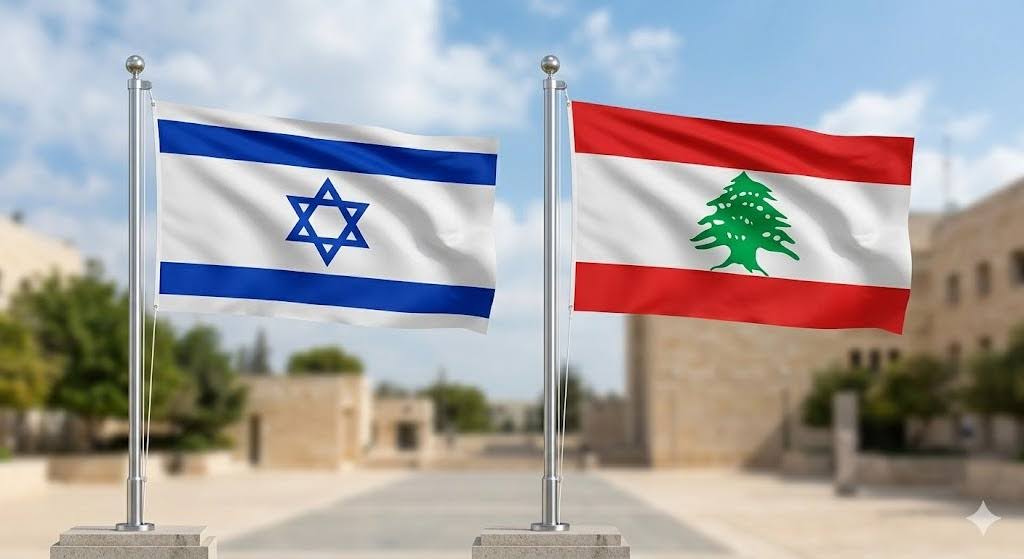
Israel and Lebanon have reached a renewed ceasefire agreement aimed at quelling hostilities along their border, marking a significant diplomatic effort to ease tensions in the Middle East. This accord requires Hezbollah fighters to cease their attacks and retreat from regions south of the Litani River in southern Lebanon. Additionally, the agreement establishes pilot security zones where the Lebanese Armed Forces will have sole control, restricting the presence of non-state armed groups.
Despite the ceasefire announcement, reports of military activity persisting in parts of southern Lebanon underscore the challenges of enforcing the truce on the ground. The renewed truce is the result of multiple negotiation rounds and is considered a crucial move toward diminishing regional instability. Further discussions are anticipated to finalize the agreement’s details and oversee its gradual implementation.
This ceasefire emerges amid the United States’ efforts to advance broader diplomatic endeavors involving Iran. The region remains on edge, with recent military incidents in the Gulf and ongoing disputes over the influence of Iran-backed groups complicating negotiations.
Analysts suggest that the success of the Israel-Lebanon ceasefire could significantly impact future diplomatic initiatives and enhance the prospects for broader regional stability. As discussions continue, the international community watches closely, hoping for a positive outcome that could serve as a catalyst for peace in the region.