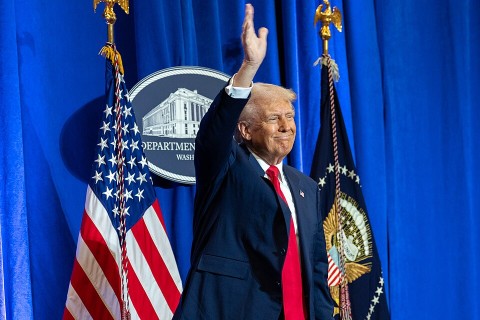
In a significant diplomatic move, US President Donald Trump has shared a draft peace proposal with key allies, including Israel, to address the ongoing conflict with Iran. The initiative aims to solidify the current ceasefire and push forward negotiations for a comprehensive resolution. Central to the proposal is the reopening of the Strait of Hormuz to unrestricted commercial shipping, the lifting of the US blockade on Iranian ports, and granting Iran access to billions in frozen assets. The plan outlines a 60-day negotiation period focusing on Iran’s nuclear program’s future.
The draft framework suggests that maritime traffic through the vital Strait of Hormuz should resume normal levels within 30 days. Negotiations are set to concentrate on Iran’s stockpile of highly enriched uranium, future enrichment activities, and enhanced monitoring by the International Atomic Energy Agency (IAEA). Additionally, Iran would pledge not to pursue nuclear weapons. However, US Vice President JD Vance noted that while both sides are nearing an agreement, disagreements persist over uranium enrichment and handling existing nuclear materials.
Pakistan plays a pivotal role in facilitating indirect talks between Washington and Tehran, contributing to the ongoing diplomatic mediation efforts. Pakistan’s Foreign Minister Ishaq Dar is scheduled to meet with US Secretary of State Marco Rubio in Washington to further these discussions. Despite progress in negotiations, tensions in the Gulf region remain high, with recent military incidents between US and Iranian forces underscoring the ceasefire’s fragility and the threat of renewed conflict.
The proposed agreement has sparked debate among regional stakeholders. Israel has expressed concerns that the framework delays major decisions on Iran’s nuclear program, while discussions continue over sanctions relief and maritime security arrangements. The Strait of Hormuz remains a focal point in negotiations, with Iranian authorities emphasizing their control over the waterway and the US advocating for unrestricted navigation, opposing any future toll system for commercial vessels.
Global oil markets are closely watching these developments, as the Strait’s strategic importance for energy supplies is significant. Analysts suggest that the coming weeks will be crucial in determining whether the ceasefire can evolve into a broader diplomatic agreement that reduces regional tensions and stabilizes international energy markets.