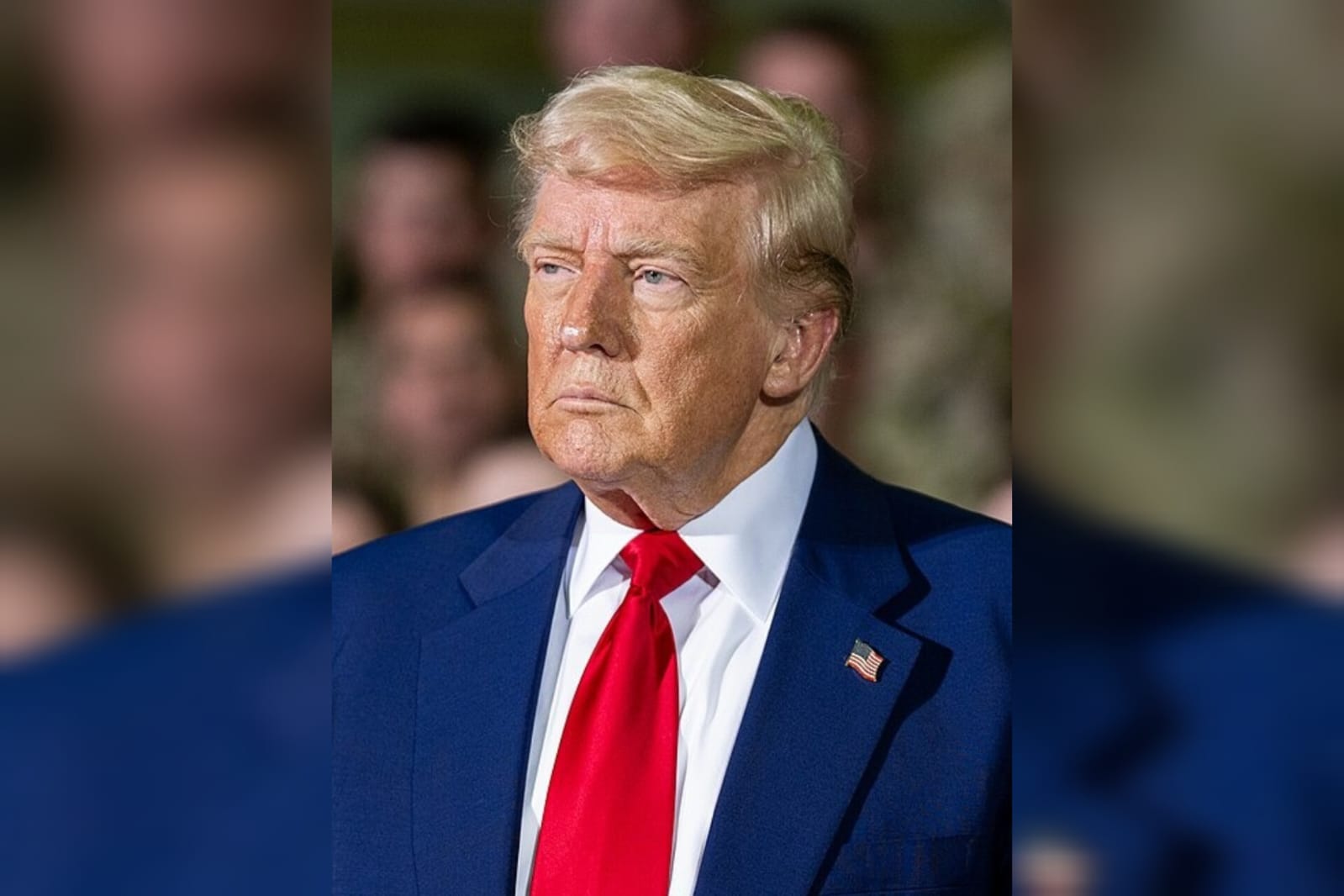
The United States and Iran have jointly announced the immediate activation of a newly signed memorandum of understanding, signaling a significant move toward reducing tensions in West Asia. This agreement was formalized during a dinner at the Palace of Versailles, following the G7 summit, with U.S. President Donald Trump confirming his personal endorsement. Trump noted the deal was “just signed” and is now operational. Additionally, a White House official corroborated this development, while Iranian authorities indicated the agreement’s finalization involved electronic signatures from senior representatives on both sides.
This pivotal agreement outlines a framework to promptly reopen the Strait of Hormuz, a vital global shipping lane previously disrupted by conflict. It also stipulates the swift lifting of sanctions on Iranian oil exports, enabling Tehran to recommence energy shipments under newly agreed terms. Moreover, the accord initiates a 60-day negotiation period dedicated to discussions on Iran’s nuclear program, with anticipations for further dialogue on establishing enduring verification mechanisms and regional security arrangements. Both nations regard this agreement as the start of a phased process rather than a conclusive settlement.
A significant aspect of the framework involves the potential establishment of a substantial reconstruction fund for Iran, which regional partners would support once a final nuclear deal is achieved. However, the United States has made it clear that any extensive financial aid will depend on Iran’s adherence to the agreement and continuous diplomatic advancements.
Proponents of the agreement hail it as a breakthrough for stabilizing global energy markets and easing regional tensions. Nonetheless, skeptics express reservations about the agreement’s execution and its long-term effects. Concerns particularly revolve around the enforcement of nuclear restrictions and commitments to regional security.