
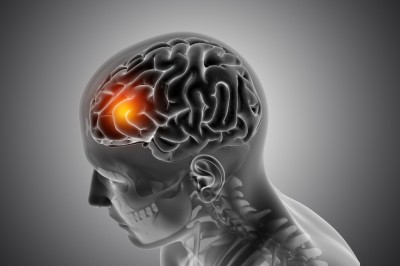
Sudden shifts in personality can often be attributed to stress, anxiety, or emotional challenges, but medical professionals warn that sometimes these changes might signal a deeper neurological issue, such as a brain tumour. Neurologists note that family members are typically the first to observe drastic alterations in behavior; for instance, a normally calm individual may become irritable, a usually cheerful person might appear withdrawn, or someone known for being organized could start to forget important details.
Experts highlight that the abrupt onset of these behavioral changes is a key warning sign, particularly when there is no obvious reason such as job stress, personal issues, or other stressful events. While behavioral changes stemming from psychological factors tend to develop gradually, those caused by neurological conditions may persist or worsen over time. Since the brain governs personality, emotions, judgment, and decision-making, tumors affecting these areas can initially manifest as changes in thinking, mood, and social interactions, rather than through physical symptoms.
These personality alterations often begin subtly, with signs including increased aggression, emotional detachment, impulsive actions, trouble concentrating, memory issues, or behaviors that are out of character. However, such changes don’t usually occur in isolation. They are often accompanied by other symptoms like persistent headaches, unexplained nausea, vision problems, seizures, balance difficulties, and weakness in an arm or leg.
Doctors emphasize that not all sudden personality changes indicate a brain tumour, as various medical and psychological conditions can present similar symptoms. Nevertheless, if unusual behavior appears alongside neurological or physical problems, it is crucial to consult a medical professional and undergo appropriate diagnostic tests. Early identification of the underlying cause is essential for timely treatment if necessary.