
Israel is grappling with a significant reduction in its water supply after an extensive algae bloom forced the temporary closure of five out of six major desalination plants along the Mediterranean coast. The algae, stretching up to 100 kilometers, have clogged filtration systems, leading to a pressing call for water conservation among residents and farmers in the affected southern regions.
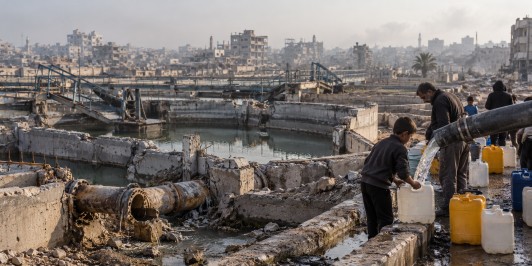
The environmental crisis is closely tied to the ongoing discharge of untreated wastewater from Gaza into the Mediterranean. Gaza’s wastewater treatment infrastructure has been severely damaged, resulting in approximately 45,000 cubic meters of sewage entering the sea daily. This influx of nutrients like nitrogen and phosphorus is believed to fuel the algae growth, exacerbating the situation for Israel’s desalination facilities.
The impact on Gaza is equally dire, with the territory facing a severe water and sanitation crisis. All five of its wastewater treatment plants are currently out of operation, causing additional untreated waste to seep into groundwater systems. This has left many Palestinians reliant on water trucks, while contaminated water sources and damaged sewage networks pose heightened risks of waterborne diseases.
Environmental organizations warn that the marine pollution’s effects are not contained within Gaza’s borders, as the algae bloom threatens Israel’s public health and desalination infrastructure. Israeli environmental groups are advocating for the restoration of Gaza’s wastewater systems and proper management of sewage to prevent further environmental degradation.
The ongoing conflict’s environmental consequences underscore the interconnectedness of the region’s water resources, highlighting the need for cooperative efforts to address the pollution and its broader regional impacts.