
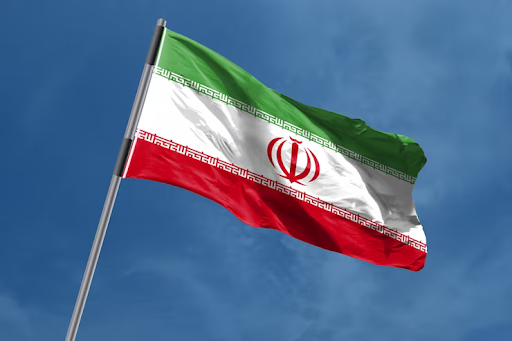
Iran escalated its strategic threats on Wednesday, warning through military spokespeople that if the United States launched a ground invasion of Iranian territory, Tehran would begin attacking shipping in the Red Sea — a waterway already vulnerable to disruption that carries enormous volumes of global trade. The threat represented a potentially catastrophic broadening of the conflict, one that would affect energy and commercial shipping far beyond the already disrupted Strait of Hormuz. The warning came as Iran rejected the US ceasefire proposal and submitted rival peace conditions.
The American ceasefire framework, passed through Pakistan, called for the opening of the Strait of Hormuz and included demands covering Iran’s nuclear and missile programmes. Iran rejected all of this and offered instead a five-point plan requiring an end to all attacks on Iranian officials and soil, security guarantees, war reparations, and continued Iranian control over the strait. A senior Iranian official speaking to a regional broadcaster described the US proposal as extraordinarily maximalist, and Foreign Minister Araghchi confirmed that no negotiations were currently planned.
Israel continued its air campaign against Iran, striking infrastructure at multiple sites including Isfahan and announcing the completion of multiple attack waves. Iran retaliated with ballistic missiles against Israeli cities and drones aimed at Gulf nations, including a strike that ignited a large fire at Kuwait’s international airport. Saudi Arabia’s air defences destroyed eight Iranian drones over oil-producing eastern provinces. The UN Secretary-General called on Israel and Hezbollah to cease hostilities in Lebanon, warning against replicating the devastation seen in Gaza.
US military operations had been extensive and by American accounts highly effective: over 10,000 targets struck, nearly all of Iran’s major warships destroyed, and two-thirds of missile and drone production capacity eliminated or severely damaged. Yet the additional threats to Red Sea shipping — combined with the existing Hormuz blockade — raised the spectre of an even more severe disruption to global trade. The US was deploying thousands more troops to the region including 82nd Airborne paratroopers, raising fears of ground combat in a new theatre.
The economic and political pain from the existing disruptions was already severe. Fuel prices had surged, Trump’s approval rating was at an all-time low of 36%, and 59% of Americans said the war had gone too far. Oil prices fell briefly on ceasefire talk news before the Iranian rejection dimmed those hopes. Egypt and Pakistan held out the possibility of direct talks by Friday, a prospect the White House did not dismiss. Whether diplomacy could outpace the military escalation remained the defining uncertainty of a war that showed no sign of reaching a natural conclusion.